Diosdado Cabello Leads Venezuelan Anti-Sanctions National Pilgrimage in Trujillo State

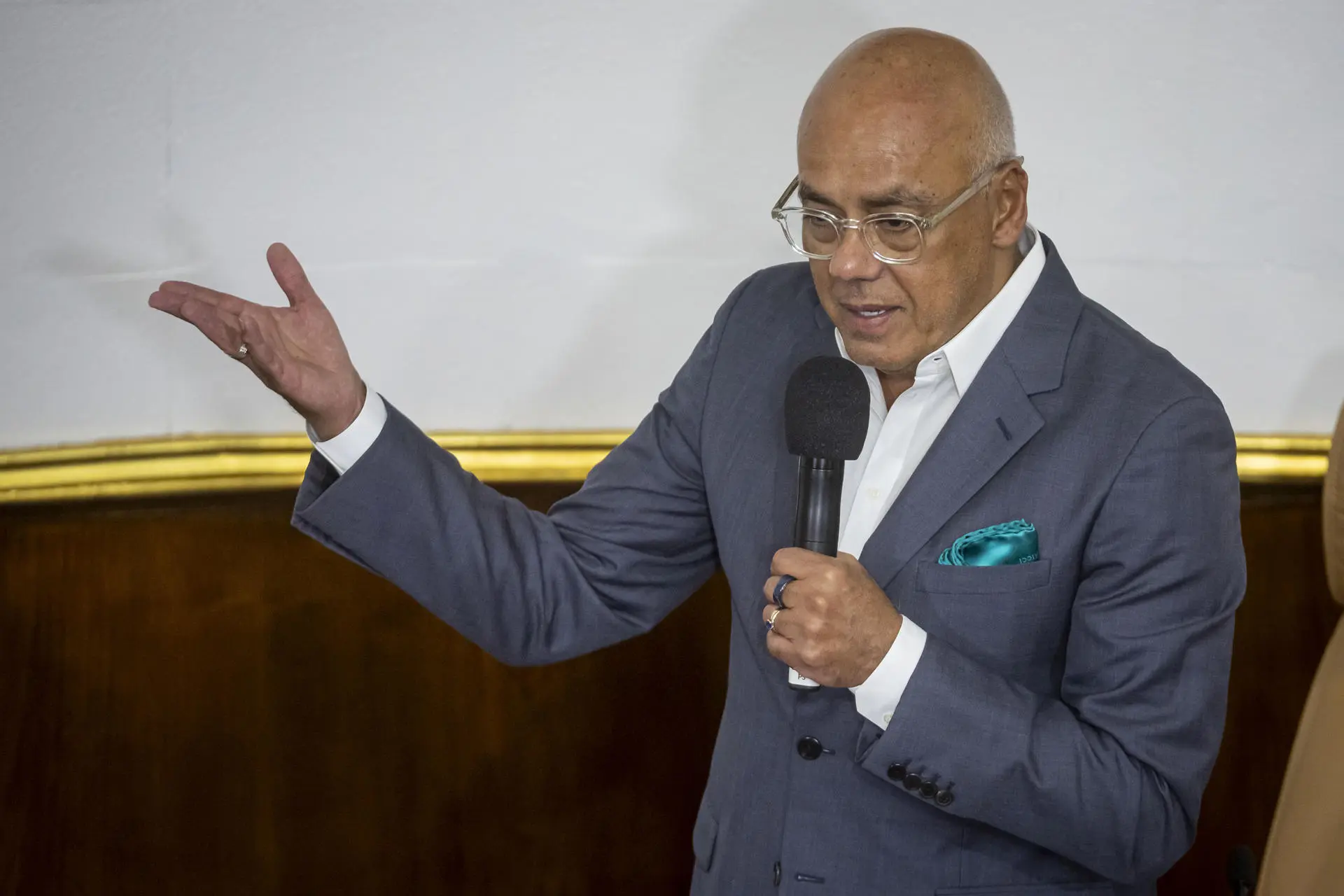
Diosdado Cabello highlighted the perseverance and effort of workers to defeat the imperialist economic war. Photo: X/@ConElMazoDando.
April 21, 2026 Hour: 8:00 pm
🔗 Comparte este artículo
The Minister of Interior Relations, Justice and Peace, Diosdado Cabello, led the national pilgrimage in Trujillo today demanding an end to imperialist sanctions and affirming that a sanctions-free Venezuela will be great and prosperous.
The outcry from Venezuela for an end to imperialist sanctions continues to resonate across the nation. This Tuesday, April 21, Diosdado Cabello Rondón, spearheaded a massive popular mobilization in the western Trujillo state.
This event formed part of the “Grand National Pilgrimage for a Venezuela Without Sanctions and in Peace“, a nationwide initiative that began on April 19 and is demanding the immediate elimination of the more than 1,000 illegal coercive U.S. measures imposed upon the country.
RELATED: enezuelan Acting President Joins Anti-Sanctions National Pilgrimage in Falcon State
During a comprehensive tour of economic and social sites, culminating in a vibrant motorcade and a colossal public gathering, Cabello unequivocally stated that Venezuelans are united in their demand for the dismantling of the economic war.
This economic warfare, he asserted, has inflicted severe damage upon the country’s production, essential services and fundamental social fabric.
Another powerful message conveyed by Cabello was that Venezuela has managed to achieve significant economic recovery and growth primarily due to the unwavering perseverance and dedicated efforts of its workers, who have valiantly overcome the profound challenges posed by these blockades. In this vein, he confidently affirmed that a Venezuela liberated from these sanctions will undoubtedly emerge as a truly great and prosperous nation.
Cabello meticulously linked this legitimate and widespread demand to the urgent necessity of guaranteeing national peace, fostering a sense of collective tranquility, facilitating the essential reunification of all Venezuelans and vigorously pursuing robust economic development. In this sense, he emphasized that these objectives are intrinsically interconnected with the complete removal of the sanctions, which he framed as primary obstacles to progress and stability.
Hate Attacks Condemnation
The Ministry’s compelling message also included a strong condemnation of the recent racist insults directed last weekend in Madrid, Spain, against the Acting President Delcy Rodríguez. He underscored that this hateful attack, characterized by overt gender-based violence against a female leader, was not merely an isolated incident. Instead, he argued, it was a deliberate act orchestrated against all Venezuelan women and the wider Venezuelan people, perpetrated by those who persistently view the nation through a lens of profound disdain and a distorted perspective shaped by centuries of colonial domination.
Following this, Cabello poignantly recalled that representatives from this sector had previously implored foreign powers to impose sanctions and even authorize invasions against Venezuela, highlighting a consistent pattern of hostility.
This powerful message of rejection found significant resonance earlier on Monday, when thousands of women rallied and mobilized in Caracas. Their collective demonstration served to unequivocally condemn racism and the various expressions of hatred propagated by the extremist right-wing factions, which, Cabello noted, are consciously encouraged and amplified by the Spanish ultraright-wing.
Speaking directly from Trujillo, Cabello further asserted that these targeted attacks, specifically directed against Venezuelan women and the nation’s diligent workers, were meticulously planned. He elaborated that these incidents are demonstrably linked to previous instances of overt contempt shown towards the leadership and the fundamental institutions of the Bolivarian Revolution. This continuous pattern, he suggested, reveals a deeper, more insidious agenda aimed at destabilizing the country and undermining its sovereignty.
Similarly, he affirmed, any incitations to violence and efforts aimed at national destabilization would be met with widespread rejection from the international community. This stance underscores the belief that such aggressions, rather than weakening the nation, instead fortify its collective resolve and commitment to peace and self-determination.
Author: Laura V. Mor
Source: teleSUR/ Con El Mazo Dando